
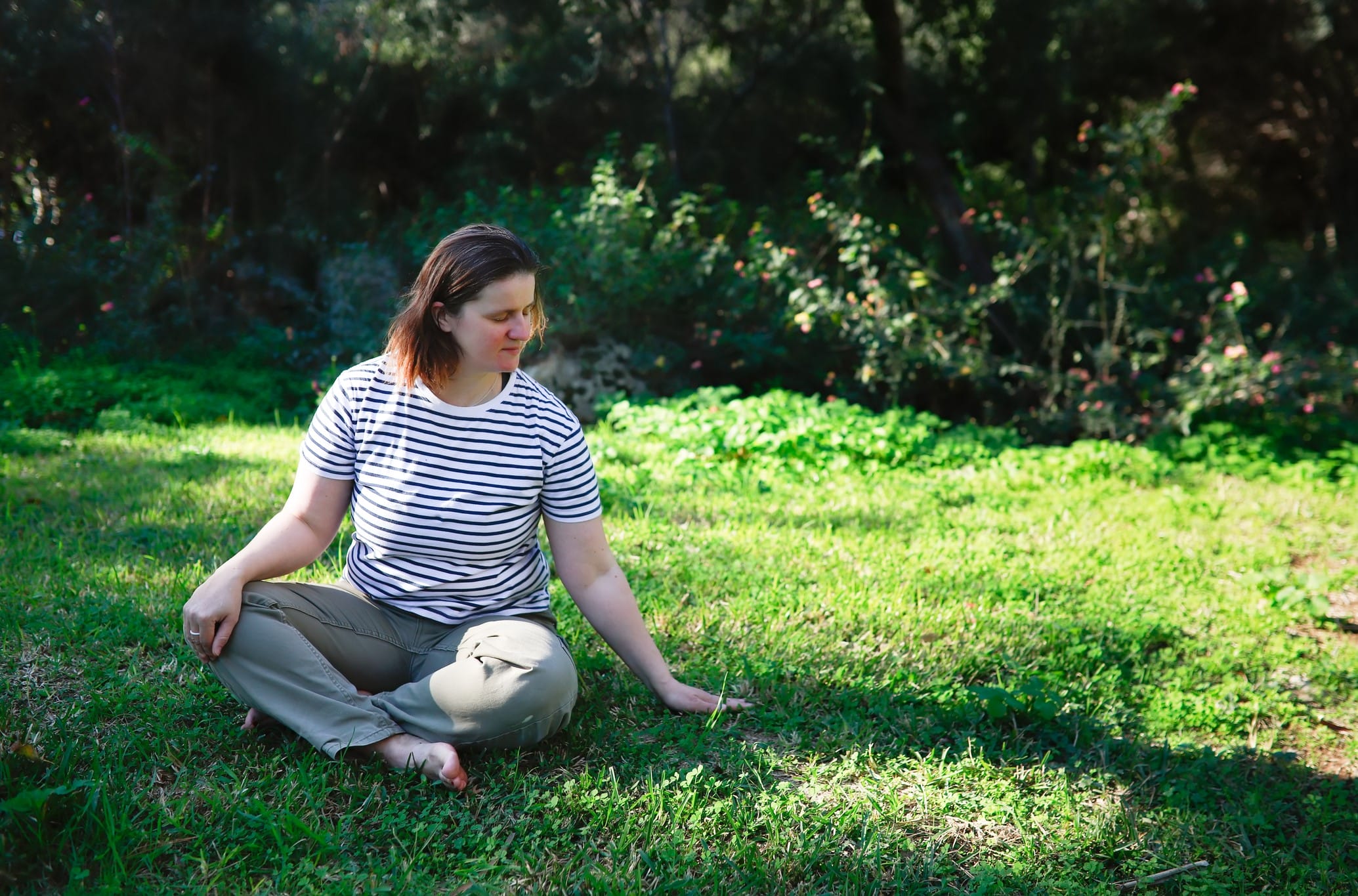
Hearing “you need to manage your stress” can paradoxically trigger even more stress. One of the first things patients learn when they are diagnosed with myasthenia gravis (MG) is how much stress can affect our condition. Anyone with a chronic condition knows that stress can be a trigger, but for MG patients stress can lead to a flare or even an MG crisis. We have to be mindful of our stress levels. One of the ways I have been managing this the last few years is learning about and practicing mindfulness.
The invisible burden of stress in MG
The disease burden can be very high for MG patients, and we have to be aware of the stress and mental anguish this can cause. Research shows that medical providers are becoming aware of how much mental stress MG patients can experience: a recent article in Rare Disease Advisor (sister site to MG Companion) noted that “Physicians are beginning to coalesce around a common understanding that invisible scars can be just as vicious as external symptoms,” and “mental and physical health-related quality of life in [myasthenia gravis] patients is lower in comparison to the [general population].”
Our challenges are often invisible but very real. It’s difficult to articulate how much overall weakness, fatigue, difficulty breathing, difficulty swallowing, etc. can have on daily living. We have to find coping strategies. Mindfulness has helped me recently learn how to refocus on the present moment, instead of spiraling into “what ifs” when the everyday chaos of living with this disease becomes too much.
Finding calm in the chaos
Mindfulness simply means training our thoughts to focus on what is happening right now. I have battled anxiety my entire life, and the trauma and uncertainty with living with this disease only aggravates it. I started having panic attacks a few years ago and more medical burnout than I could deal with. There is rarely a break in constant infusion treatments, appointments and disease management for me. It takes a toll.
I started reading works by Thich Naht Hanh and practicing breathing exercises (despite my breathing challenges) to help my brain to stop spiraling. It has helped me learn how to find a place of calm, even when chaos is happening. Instead of panicking about what could happen, I can refocus on managing the present moment.
But sometimes the present moment is a scary place to be. When things go wrong during my infusions or when I was in the hospital last year with sepsis, I had such a difficult time staying calm. Mindfulness teachers talk about learning how to focus on the present but also combining that with self-compassion. Focusing on the present moment doesn’t mean pretending everything is fine and stable. It can mean acknowledging how challenging or scary the present moment can be and having compassion for yourself as you navigate the difficult times. This compassion can help stress dissipate. It gives a sense of control to be able to acknowledge difficult physical or emotional symptoms but perceive them without judgement or resistance, to focus instead on acceptance.
Mindfulness doesn’t just mean meditating or doing breathing exercises. I also listen to music, listen to meditations, listen to audiobooks, sit outside in our yard. All of these are meditative tasks that help the brain focus on the present and can promote calm.
I worked with a team at Stanford Hospital a couple years ago that focused on patient wellbeing. They said autoimmune patients in particular need to focus on calming their nervous system to manage disease burden and damage. They recommended using a free meditation app. I have been using that app every day for years. It has helped me try to calm my nervous system and rest productively, instead of letting my brain spiral while I rest throughout the day.
Mindfulness and meditation are just some of many strategies patients can use to manage stress. For me, it has been a revelation and really helped me shift my mindset in how to manage living with a refractory form of this disease. It has helped me create a space in the present moment to reclaim acceptance and peace, no matter what turmoil occurs.
Sign up here to get the latest news, perspectives, and information about MG sent directly to your inbox. Registration is free and only takes a minute.
