
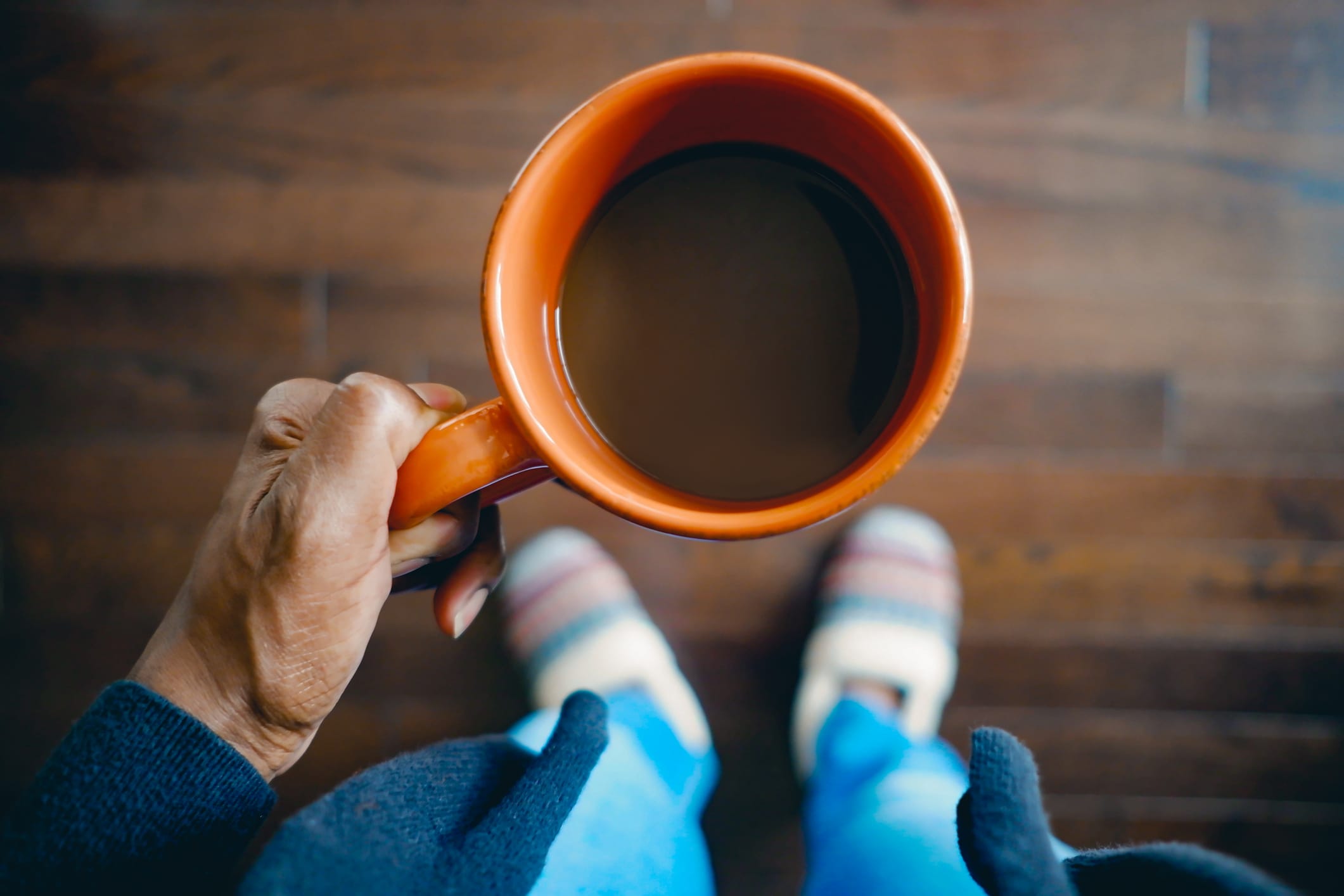
Scorching summer afternoons, hot showers, a piping hot cup of coffee — they can all trigger symptom flare-ups in people living with myasthenia gravis (MG). Extreme temperatures exacerbate MG symptoms; while heat is the main concern, many people with MG are impacted by extreme cold, too. Learning to avoid situations where you may be exposed to extreme temperatures in any format can help improve daily life with MG.
How heat and cold affect myasthenia gravis
Researchers don’t completely understand why temperature affects MG. Studies have indicated that temperature may impact acetylcholinesterase (an enzyme that breaks down acetylcholine), impairing the communication between nerves and muscle at the neuromuscular junction.
What we do know is that in many patients with MG, extreme temperatures — namely heat — can trigger MG symptoms. Hot weather and hot water can cause fatigue and muscle weakness, shortness of breath, drooping eyelids, slurred speech and vision problems. Even hot food and drinks can affect the throat muscles and impair chewing and swallowing.
Some people with MG are impacted by cold temperatures, as well, which can cause fatigue. Shivering from cold can also lead to muscle weakness.
Tips for managing extreme temperatures with MG
MG triggers differ for everyone; these tips offer a place to start.
Staying cool during summer
While no season is without extremes, many with MG consider summer the most challenging part of the year.
- Stay indoors during the hottest time of the day and keep the air cool with a fan or AC.
- Stay hydrated by drinking fluids throughout the day.
- Wear a damp towel around your neck to cool yourself down.
- Try wearing a cooling scarf, towel, vest or jacket. These have compartments that can hold ice packs.
- Rest regularly, as the heat will increase your fatigue, which will increase your muscle weakness.
Read more about MG treatment and care
Avoiding cold during winter
Winter brings the potential for cold — but also for overheating.
- If you need to bundle up, dress in layers so that it is easier to adjust to the temperature; a thick wool sweater might be perfect at your house, but too warm somewhere else.
- Bring along an extra sweater, mittens and other cold-weather gear when leaving home.
- Give the car time to warm up before getting inside. It’s easy to get cold quickly when sitting still.
Everyday tips for temperature regulation
In all seasons, keep the following in mind:
- Choose natural fibers and loose-fitting clothing.
- Avoid saunas, hot tubs, hot showers and baths.
- Don’t overexert yourself physically and cause your body temperature to spike.
- Don’t eat meals that are too hot; wait for them to cool down. Try sipping on a cool drink when enjoying a warm meal.
- Drink coffee and tea at lower temperatures; if cold foods aren’t a trigger for you, try iced coffee and tea.
Your reaction to heat sensitivity will be unique to you, so it is a good idea to track your symptoms in a symptom diary to better understand what triggers them and their duration and severity. Sharing this information with your neurologist will help guide your treatment.
Sign up here to get the latest news, perspectives, and information about MG sent directly to your inbox. Registration is free and only takes a minute.
