
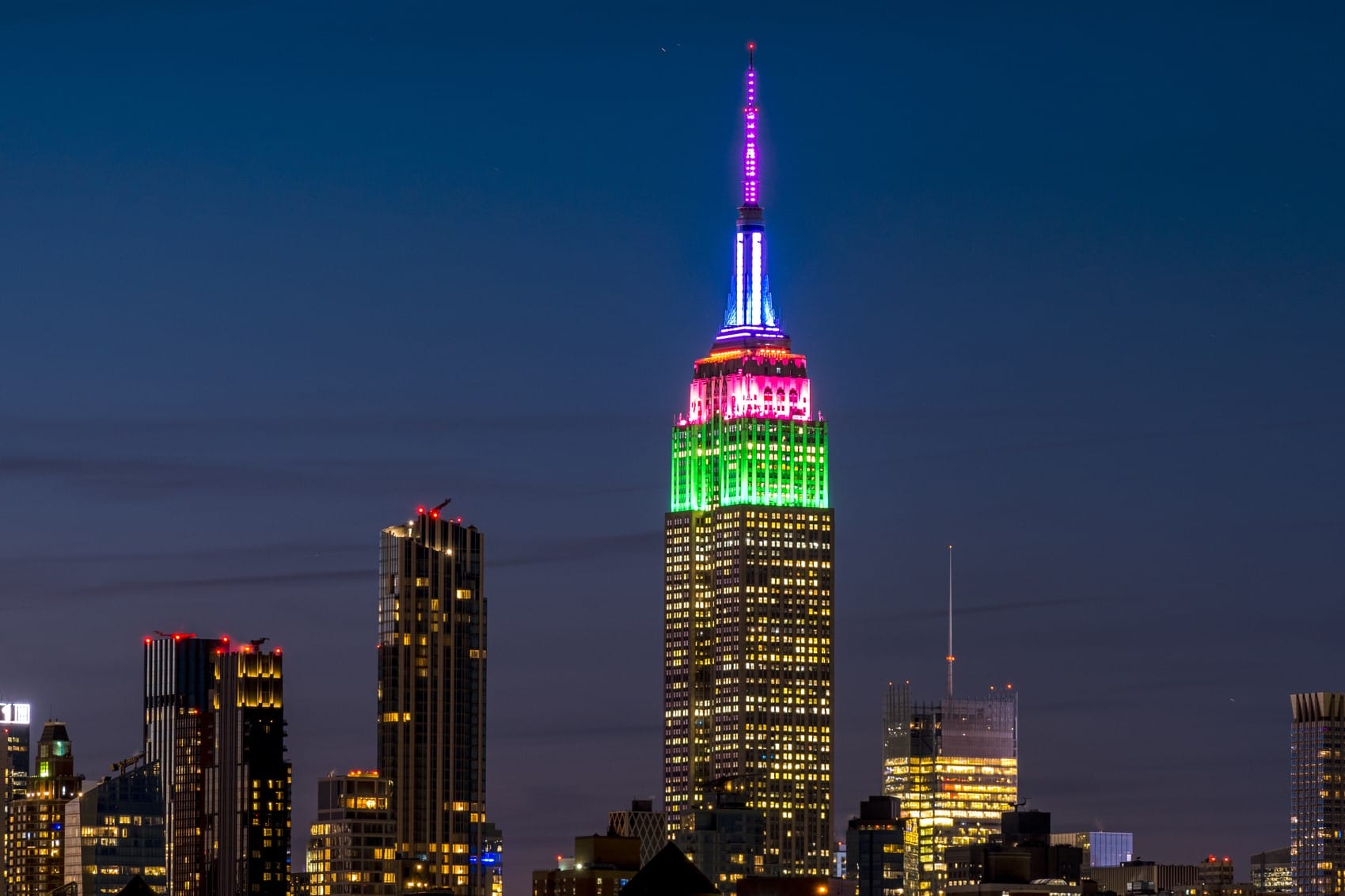
Feb. 28, 2026, marks the 19th annual Rare Disease Day. This year, individuals are encouraged to join the Global Chain of Lights effort to raise awareness and show their solidarity with the rare disease community.
What is the Global Chain of Lights?
The Global Chain of Lights is part of the Light up for Rare initiative, which was designed to illuminate those impacted by rare disease, both figuratively and literally.
The Light up for Rare campaign began in 2019 with the Empire State Building in New York City. Since then, national and international participation in the Global Chain of Lights has continued to grow. This year, landmarks in at least 19 U.S. states are expected to light up on the 28th.
How to participate in Light up for Rare
To become part of the Global Chain of Lights, you can light up your home at 7 p.m. in your time zone on the 28th. The official colors of Rare Disease Day are pink, green, blue and purple. If you don’t have colored lights, the organizers provide a video that cycles through each color. You can play the video on a TV or computer to light up the inside of your home.
Your family can also complete some of the many coloring pages available for Rare Disease Day and hang them around your house.
If you want to post on social media, the organizers recommend using the #RareDiseaseDay and #LightUpForRare hashtags to help spread the word.
Lighting up landmarks
If you’re interested in lighting up a building near you, the Rare Disease Day group offers some advice on getting started.
Take a look at the list of buildings and monuments that were successfully lit up in past years if you’re having trouble deciding on a building. These include:
- Political offices.
- Businessplaces.
- Schools.
- Monuments.
- Event spaces.
Once you have done that, you can use the email template provided to submit a formal request. Add a personal touch to your letter by sharing a little bit about yourself and your story.
Making a lasting impact
In addition to lighting up homes and landmarks, consider starting conversations with those who may be unfamiliar with rare diseases. For example, while talking to your local politicians about the importance of recognizing rare diseases may make them more likely to participate in Rare Disease Day, it can also encourage them to make a sustained commitment. They may be more likely to support certain legislation or programs that benefit the rare disease community in the future.
Doing this can ensure that rare disease awareness is more than a one-day event — it is a year-round commitment to improving the lives of individuals living with rare diseases and their families.
Sign up here to get the latest news, perspectives, and information about MG sent directly to your inbox. Registration is free and only takes a minute.
