
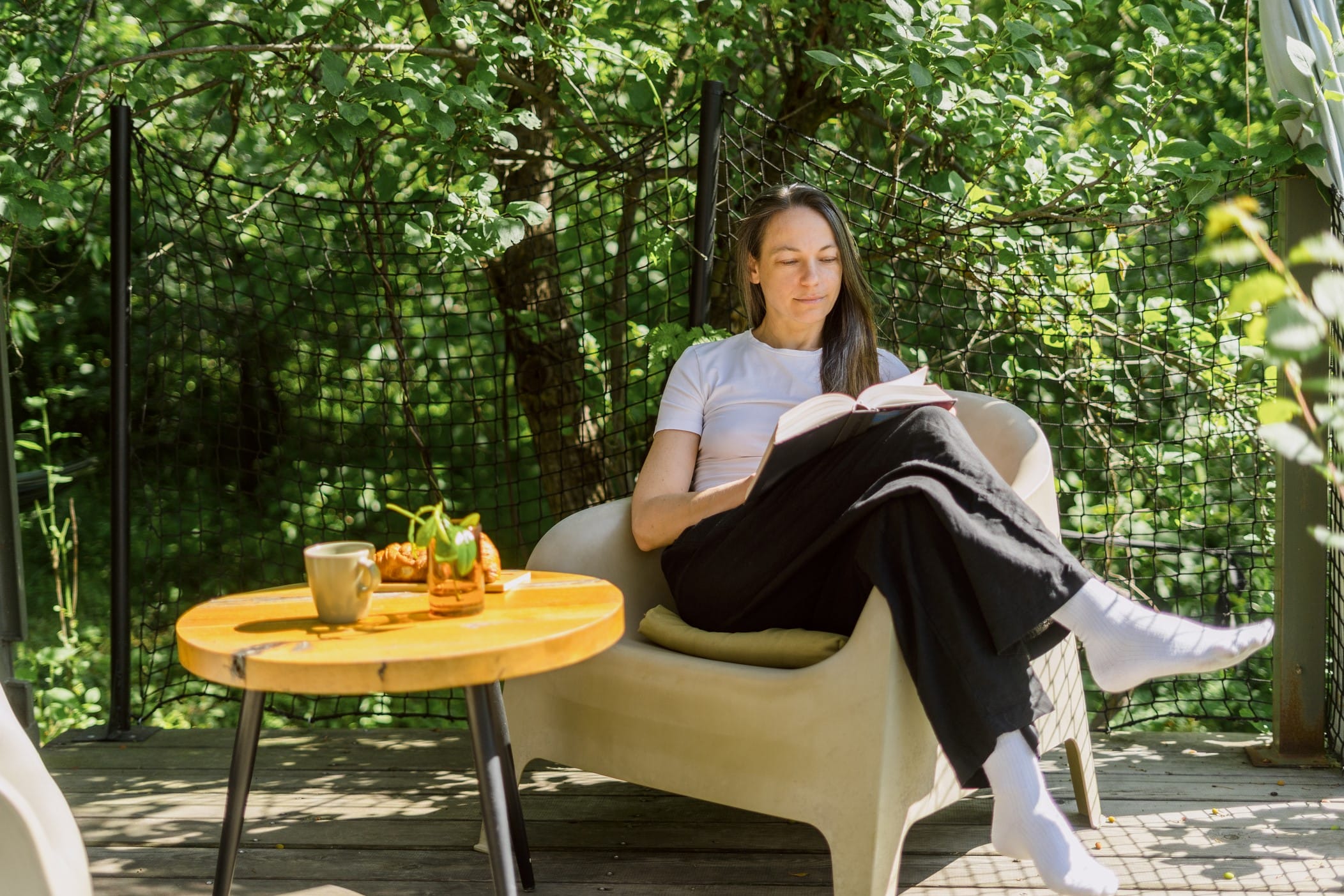
Every year that passes, I set goals and one of my constant priorities — now that I have been living with a severe form of myasthenia gravis (MG) for 10 years, and am only getting older — is trying to focus on quality of life. But prioritizing quality of life had never really been part of discussions with my care team or necessarily part of my intentions until recently. Now I think about it with purpose every single day, to feel like a patient who lives with this disease, not just survives.
Earlier in my disease, my condition was very unstable. I was struggling to get doctors to hear me, treat me, take me seriously. 10 years ago I became dependent on my ventilator, lost the ability to stand and walk, had to leave my academic career, had a bad reaction to a treatment that left me bedridden, and then started an endless cycle of being hospitalized constantly for years. I’m sending a shoutout to any other patients also triggered by the current social media trend of celebrating 2016 nostalgia.
Thankfully, now in 2026, I have better doctors, I can walk again for very short distances, I’m not living in bed, haven’t been living part time in the hospital, and my husband doesn’t have to spend so much energy being a caregiver. I am not doing well, but my condition is more stable. I continue to live with a high medical burden, yet I am no longer in the diagnostic stage of disease management. Focusing on that has helped me prioritize quality of life.
I now feel able to say no to doing medical tests I don’t need, plan my infusion and appointment schedule with “time off” to create days with very few medical tasks, and create time and energy for joy around the seemingly endless medical tasks. I try to remember I need to still feel like a person through all this, not just a patient pushing myself past the point of coping all the time, which is how this used to be.
Taking care of my mental health is also essential to prioritizing quality of life. It is where learning to live with a serious disease begins and ends. I wrote recently about mindfulness and using mindfulness to live with a rare disease. Mindfulness isn’t just about finding a place of calm — it’s also about knowing how to check in with yourself to understand your needs and boundaries. I have accumulated a lot of medical trauma over the years. It all takes a serious toll. Managing my anxiety is a daily struggle. I journal every day, I listen to music, I read, I make art, I watch sci fi TV with my husband, I sit outside in our yard. I look at my schedule to make sure there is time and space for all the things that matter to me and that provide joy. It’s just as important as my treatment.
Managing medical burnout is also a daily task for me. I can’t ever take a long break from my infusions, appointments, daily medical tasks, etc. — no matter how much I would like to break. So I have to be mindful about energy budgeting and focusing on only what is truly essential.
I have tried to start having conversations with my doctors and family about needing to focus more on quality of life. I am 45 now and have been living with a severe form of this disease for over a decade. Managing my diminishing energy, mental health capacity, and the amount of time my husband and I have to spend on medical tasks are all part of prioritizing quality of life.
I really believe conversations about a patient’s quality of life should be part of every major or minor medical decision. We need to remember we are human beings who are patients, not just patients trying to feel human sometimes.
Sign up here to get the latest news, perspectives, and information about MG sent directly to your inbox. Registration is free and only takes a minute.
